
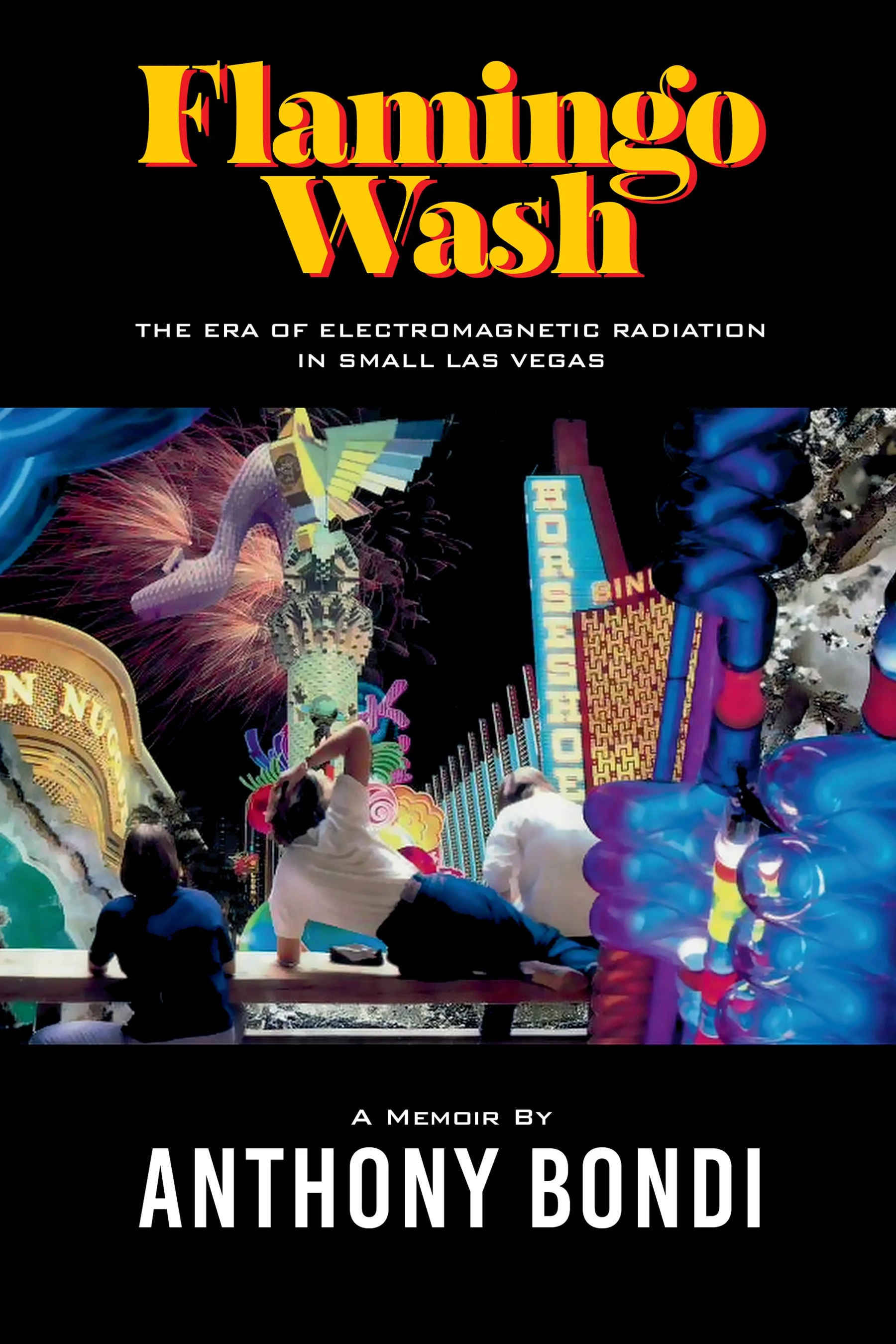
The night view of The Strip from the Med.
In 1947, in small Las Vegas, an ex-GI could make a good living if he had skills that were valued by bookies. Betting on horses was legal here. The desert was never farther away than a bike ride from a kid’s home. You could die out there.
In 1951, sixty miles up the road, the feds began exploding above ground atom bombs. Over the next ten years, they exploded about 100 atom bombs, usually in clusters, such as when they blew off four atom bombs in eleven days. Once these people had seen their first fifty or sixty bomb blasts, why didn’t they run away? Those who stayed were the founders of the Vegas we know today.
They said that the bombs didn’t bother them. Something was still there. Even the bookies felt it and they were typically supremely calm people. When direct memory of the shocks was gone, the memories continued without the next generation knowing the reason.
Retired showgirl Marilyn has memories that endear her to the staff of The Las Vegas Mental Health Clinic. She knows more than they do about Xanax. They know it. So does Tony because she taught him. Tony’s big brother is among a pack of teenagers who do not respect Las Vegas’s mighty cowboy sheriff. He knows it. The kids will win their battle with the mighty cowboy.
Tony is a Keno writer, a dead-end casino job in a dying game. Keno culture leads him to an isolated neighborhood of apartments located next to The Strip. Within the neighborhood, two blocks from the Flamingo Resort, is a clothing optional apartment complex. With above ground nuclear explosions finished, residents there make do with the next best thing, the radiation pouring off nearby high voltage power lines. At the same time, nudism also may protect us from the vibes of the Strip, a quick walk up the street. We hope so. Otherwise we might have to move away.
Here are some of the people in Flamingo Wash.

My brother Chris

Mom
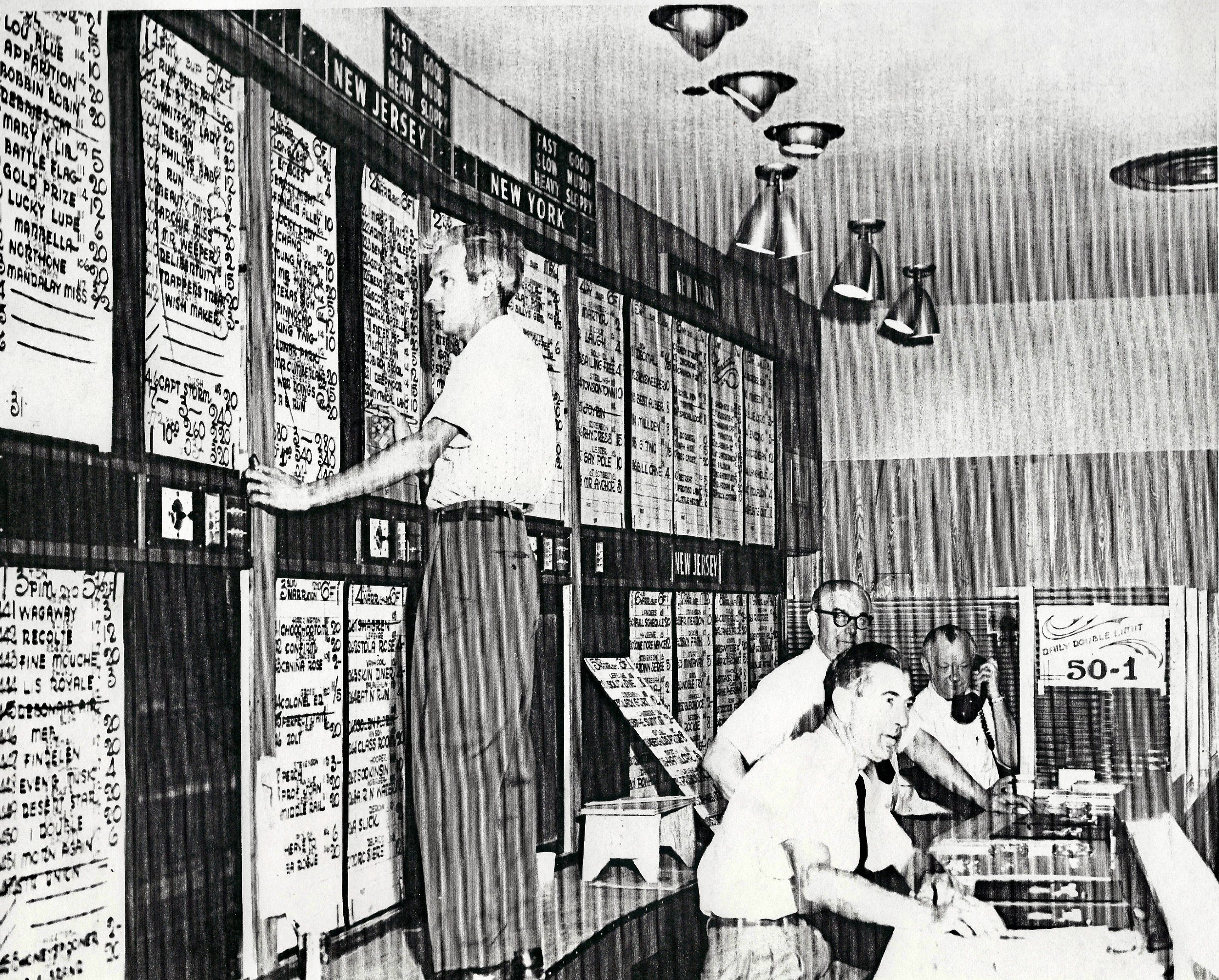
Dad

The author
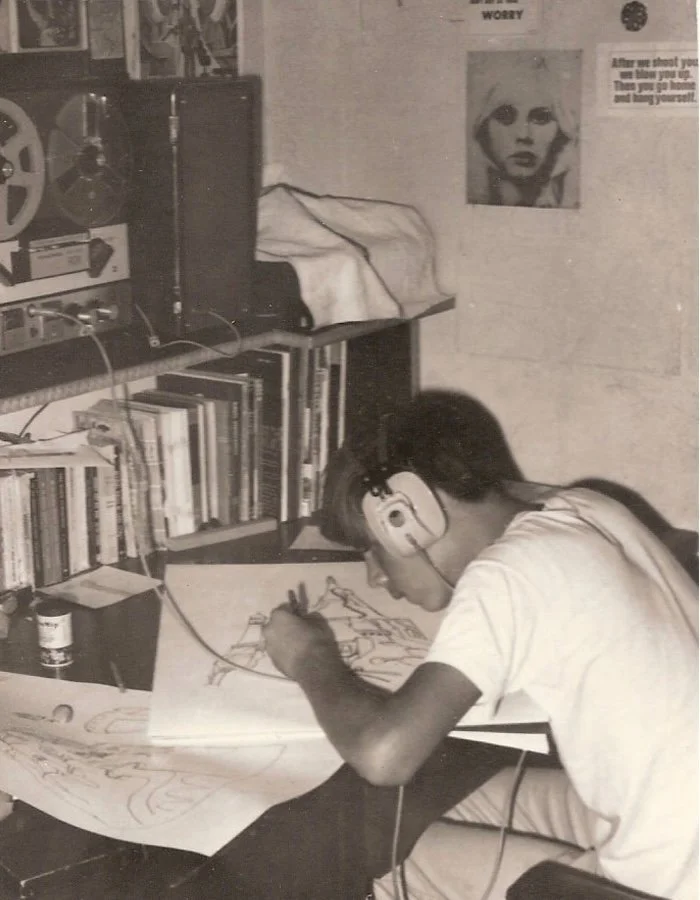
The author

The Med

The Flamingo Wash in flood stage

Life Reform history, 1926

Gymnastics and the joy of life, 1926

Atom bombs and Vegas